It usually happens the same way. A worship leader agrees to cover a Wednesday night Bible study, forgets she already said yes to leading the second Sunday service that same week, and finds out only when two group chats collide on Saturday night. Nobody did anything wrong. The schedule just lived in too many places at once.
Volunteer scheduling conflicts are rarely a people problem. They are a systems problem, and they are one of the most fixable operational headaches in church ministry.
Why Scheduling Conflicts Keep Happening
Most churches do not start with one messy system. They start with several good ones that were never connected. The worship team keeps a shared spreadsheet. The children's ministry coordinator texts a group chat. The ushers sign a paper clipboard in the lobby. Each ministry leader is doing careful, responsible work inside their own lane, but nobody has a single view across all of it.
That is how a dependable volunteer ends up double-booked. They said yes to two different leaders, in two different tools, for two different ministries, and neither leader could see the other's commitment. The fix is not asking volunteers to be more careful. It is giving every ministry leader one shared, current picture of who is already serving where.
Build One Source of Truth Per Occurrence
The most useful shift a church can make is scheduling by occurrence rather than by ministry. A recurring Sunday service is not one static commitment — it is a series of individual dates, each with its own roles to fill: usher, greeter, sound tech, nursery volunteer, communion server. When scheduling is built around each specific date rather than a generic recurring slot, a leader can see at a glance exactly who is assigned to that Sunday, not just who is "on the worship team" in general.
A few habits make this work well in practice:
- Assign every recurring service its own occurrence-level roster, not a single ongoing list that everyone assumes is current.
- Name the specific role a volunteer is filling (usher, greeter, sound tech) rather than just their ministry, so leaders can see workload, not just attendance.
- Keep one central calendar that every ministry leader can see, even for events they do not own.
- Review the upcoming month together, not just your own ministry's slice of it.
Give Every Leader the Same Grid
The single most effective change is replacing separate spreadsheets and group chats with one shared view of team assignments. When every ministry leader can look at the same grid and see who is serving at every occurrence of every event, double-booking becomes visible before it becomes a Saturday-night surprise rather than after.
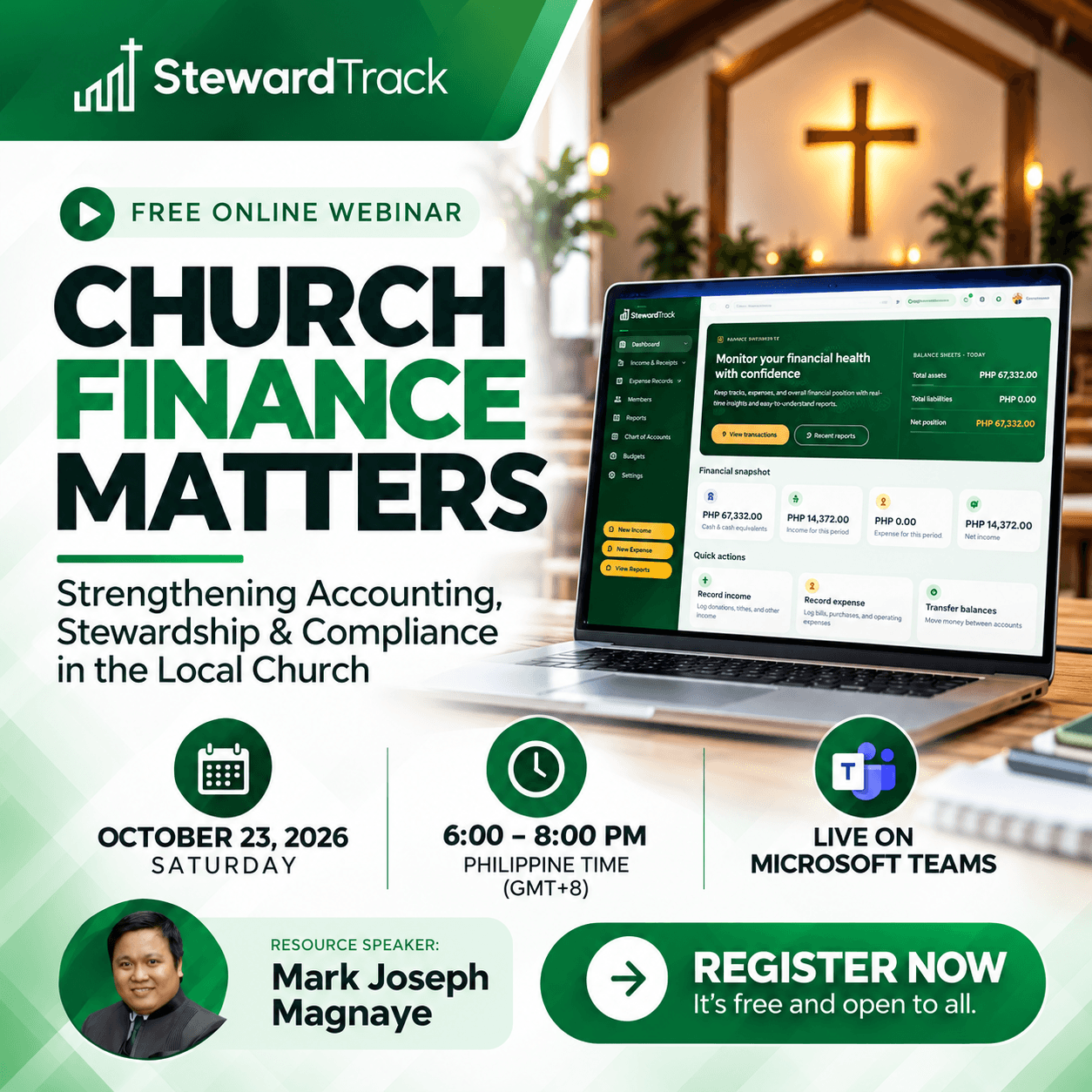
This is exactly the gap a church management platform like StewardTrack is built to close. Its scheduling tools let leaders assign volunteers to specific roles — usher, greeter, sound tech, and others — for each individual occurrence of a recurring service, with a team assignments view on that occurrence showing exactly who is committed to serve. Build that habit across every occurrence on one shared calendar, and the same collision that used to hide inside separate group chats becomes visible days in advance instead of on a Saturday night.
Make Visibility a Two-Way Street
A schedule that only the coordinator can see is still a bottleneck, just a smaller one. Volunteers themselves should be able to check their own upcoming commitments without a text message to the coordinator, and coordinators should be able to see attendance history alongside future assignments so they know who has been serving heavily and who has capacity to say yes to something new.
This is also where check-in data becomes quietly valuable. When attendance is tracked at the occurrence level — who actually showed up to serve, not just who was scheduled — leaders get an honest picture of reliability over time. That data protects your most consistent volunteers from being over-asked simply because they are easy to reach, and it flags gaps before a Sunday morning arrives short-handed.
A Simple Monthly Rhythm
You do not need new software to start improving this today. A short monthly rhythm works even with existing tools:
- Once a month, every ministry leader pulls up the coming four weeks on one shared calendar.
- Each leader cross-checks their volunteer list against everyone else's, out loud, in the same meeting.
- Any volunteer serving in more than one role that week gets flagged and confirmed directly with them — not assumed.
- The finalized roster for the month goes out from one source, not five separate reminders.
Where possible, move that shared calendar into a single system rather than a shared document that quietly goes stale. The goal is simple: no volunteer should ever learn about a scheduling conflict from two people messaging them at the same time. One shared, occurrence-level view is enough to prevent almost every version of this problem before it reaches a volunteer at all.
The churches that solve scheduling conflicts are rarely the ones with the most disciplined volunteers. They are the ones where every leader is looking at the same information.
About StewardTrack: StewardTrack is a church management system that helps ministries manage membership, giving, events, and finances in one place. See how StewardTrack can support your ministry →
Cover photo: Dylan Gillis on Unsplash.